WHAT’S GOING ON

Behind-The-Scenes

In the e3 Webcasting Studio

xxl_153124565.jpeg

August 6, 2021 Tim Arthur

As an event planner, it is essential to stay on top of the latest trends in your industry.

Virtual events are becoming more and more popular among audiences due to the convenience and cost savings. However, if you don’t want to get left behind, there are other things you can do in order to pivot your live or virtual events into hybrid events that combine both physical and online components. Here are some tips for event planners who want a little help with this transition:

  1. Create a plan-B ahead of time so that when changes happen, you are prepared for any potential impact.
  2. Ensure that all your materials include links to relevant information about Covid

Event planners, are you planning an in-person event that will include remote participants? If so, it’s time to make the pivot.

Hybrid events have many benefits for event planners and attendees alike. Event planners get to meet their audience face-to-face while still catering to those who can’t attend in person. Hybrid events also allow for less risk than one would think – they’re easy to convert into virtual should circumstances demand it. This minimizes the possibility of your event being altogether canceled or postponed and/or significantly altered in terms of content if necessary. Attendees benefit from hybrid events by getting more out of them than just an online experience while still receiving a physical interaction at home!

Understandably, client interest in hybrid events has been steadily on the rise lately; however, there are still many questions around making the transition from in-person or virtual events to hybrid. 

Make Sure the Venue Works for Hybrid

Find a venue partner who is flexible enough to adapt to any eventuality when it comes to the size of the live audience. Depending on the circumstances, the number of attendees allowed to participate in person may be smaller than you originally planned for or could even be restricted to a minimum. If you can, choose a venue that is designed to be flexible and even adapted for hybrid events. If possible, choose a venue with adequate internet bandwidth in place for the live stream and webcast.

So what do you do if there’s not enough time to plan? No need to panic. If things come up last minute that requires quick thinking, we’ve got you covered.

The beauty of hybrid events is that they work with any audience size, and can be easily converted to a purely virtual event. 

Hybrid events are the perfect solution for any planner who needs to work with an unpredictable audience size. Not only is it easy to convert your live event into a hybrid, but you can also create a virtual component without significant overhead costs. Pivot away from your live/virtual dichotomy and try something new! Here are eight reasons why: 1) You’ll save money on venue fees 2) Your event will be more engaging 3) You can focus on small groups of people 4) It’s easier to reach out to international guests 5) You won’t have room conflicts 6) It’ll take less time 7) You’ll get more bang 

Will It Work for Live Streaming

Picking a venue for your event can be made easier through the use of technology. When selecting the forum that will host your event, go for one that is well equipped to provide the necessary requirements for both live and virtual production. This includes sufficient in-house technology, the option to bring in an external audiovisual provider to take care of both the live and virtual production. A stable internet connection that is strong enough to support the live stream, optimized facilities, etc.

You will also need to consider the room layouts of your event and make sure it has suitable space for unobstructed camera angles. For example, you may want to have stage lighting set up in darker rooms.

Double the Audience, Double the Technology

Speaking of technology, even the simplest live events need certain amount of audiovisual equipment that are suited for the characteristics of the venue and make sure that the audience at the back of the room can hear and see everything as well as those who are sitting right in front of the stage. The same goes for virtual events which come with their own set of equipment requirements. If you pivot your event from solely a live setting to a hybrid one, you need to incorporate technology that works for your remote audience. This means that the live stream input and output will require equipment that is separate from the live event part of your set-up, and those extra cameras, mixing, virtual platform etc. will need additional crew to be running the live stream.

Test Early, Test Often!!!

As Murphy’s Law would have it, anything that can go wrong will go wrong. This is twice as true in the case of hybrid events that combine two sets of audio-visual technology. While a live audience will be mildly annoyed by microphone issues, it will cause your remote attendees to disappear in the blink of an eye and log off for good. Testing is key, and it does not apply only to AV – it is also true for the virtual platform, the presenters and MCs, the remote speakers (if you have any), the hybrid Q&As, the live streaming/broadcast service, and of course the rundown of your entire event.

You can greatly reduce the risk of experiencing technical difficulties by partnering with the right live stream video team. e3 Webcasting has the experience, equipment and connections to provide a winning solution at the event venue and online.

A Virtual Event Platform Is a Must

If you plan on hosting an event, it’s important to have a virtual event platform. 

It serves as the venue for your remote attendees and allows your live audience to connect with them. If you planned for a virtual event and would like to pivot to a hybrid format, ensure that the platform can accommodate interaction from both audiences (such as direct messaging, forum, polling, Q&A, trade show/expo, and networking). We have several options depending on your budget ranging from an event-specific microsite to an elaborate platform.

Analyzing the Metadata via Analytics

It’s not just about how much you know; it’s also about what you do with what you know. And the best way to use that knowledge is by getting data from your attendees and using it to improve your event for future events.

With live events, it is difficult to measure feedback and engagement or any other data past the point of registration. Post-event surveys often do not provide a clear picture of what attendees really thought of your event or on what level they were engaged with your brand and content. With virtual events, you do not have this issue, as you get real-time feedback about their participation, engagement level, content preference, activity rate etc., through the virtual platform and the event management software. This type of information can help you understand how well an event went from start to finish and improve future events by providing necessary insight into which activities were popular among attendees and which ones weren’t so much.

Registration Options and Packages

We’ve all been there. You land on the website for your favorite event, and you click to register. But what if it turns out that you can’t attend in person? Or even worse – what if you need to cancel at the last minute because something comes up? Suppose that’s where you’re stuck now. In that case, we have good news: Hybrid events allow attendees to decide whether they can travel to the event location in person or join in remotely if circumstances prevent them from attending altogether. There used to be no such option with live events, but this doesn’t exist anymore with how life has changed today. This means that hybrid events are a much more attractive proposition than they ever were before!

Cater to Your Virtual Audience

As you pivot your in-person or virtual event to hybrid, thinking digital-first when formulating your agenda and content is vital. The reason for this is simple: without real-time interaction, virtual attendees have a different attention span than a live audience. Keeping their needs in mind will impact not just the length of sessions and the types of content you offer but also the length of your event. Cater to the virtual audience, by providing opportunities for more one-on-one time with speakers as well as ensuring there are plenty of breaks so they can get up and move around if they need to (after all, sitting at a computer or in front of a TV all day isn’t going to be conducive for many people). 

Work With an Hybrid Event Live Streaming Partner

Pivoting your event to a hybrid format is not an easy job to do on your own, but working with an event production partner who has experience in creating and managing hybrid events takes that burden off you. Being comfortable with short event turn-around times, e3 Webcasting is fully prepared to adapt to changing circumstances, whether they involve an expanding or shrinking audience, the added virtual element, working with an event platform, and of course creating memorable event experiences both online and offline.
Don’t hesitate! Reach out today! We can help you take on this new challenge! Drop us an email at [email protected] or call us at: 1-888-695-2396


FOMO.png

May 31, 2018 Tim Arthur

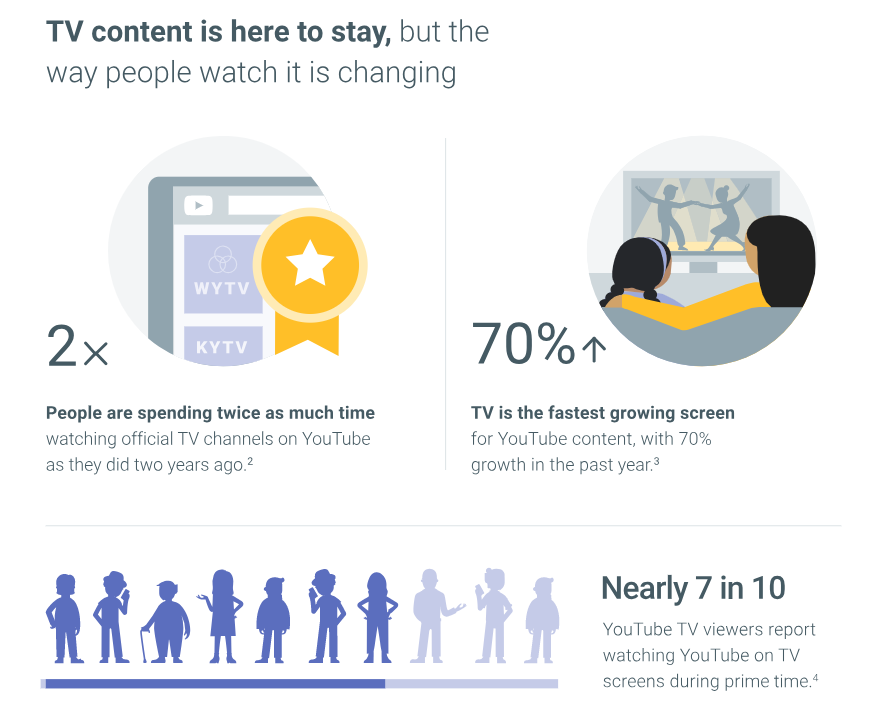
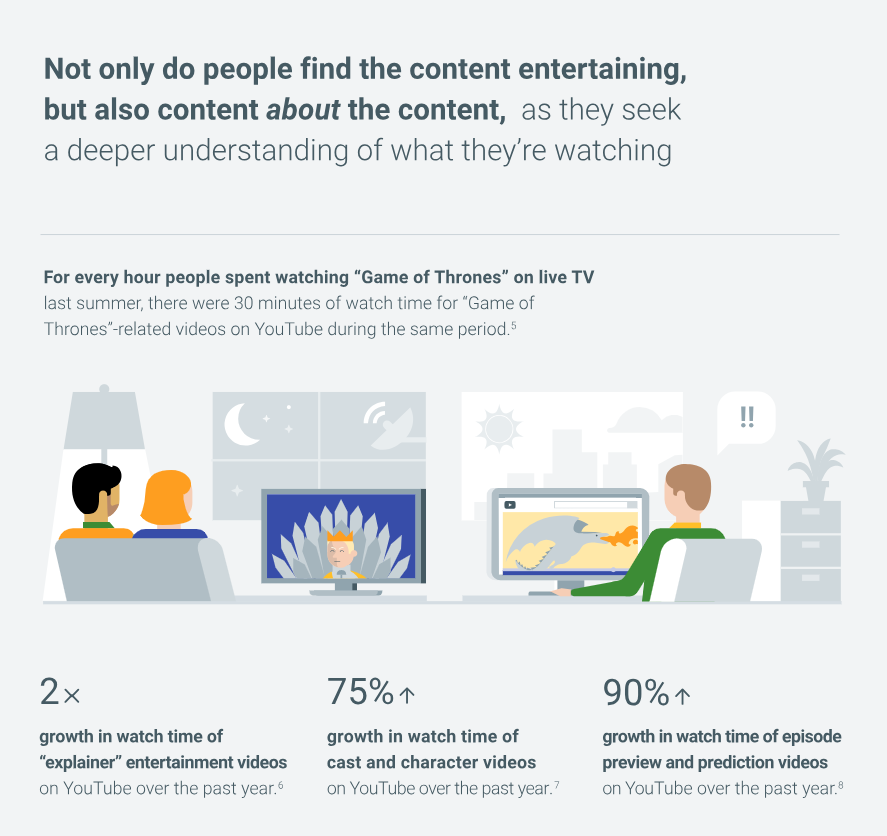
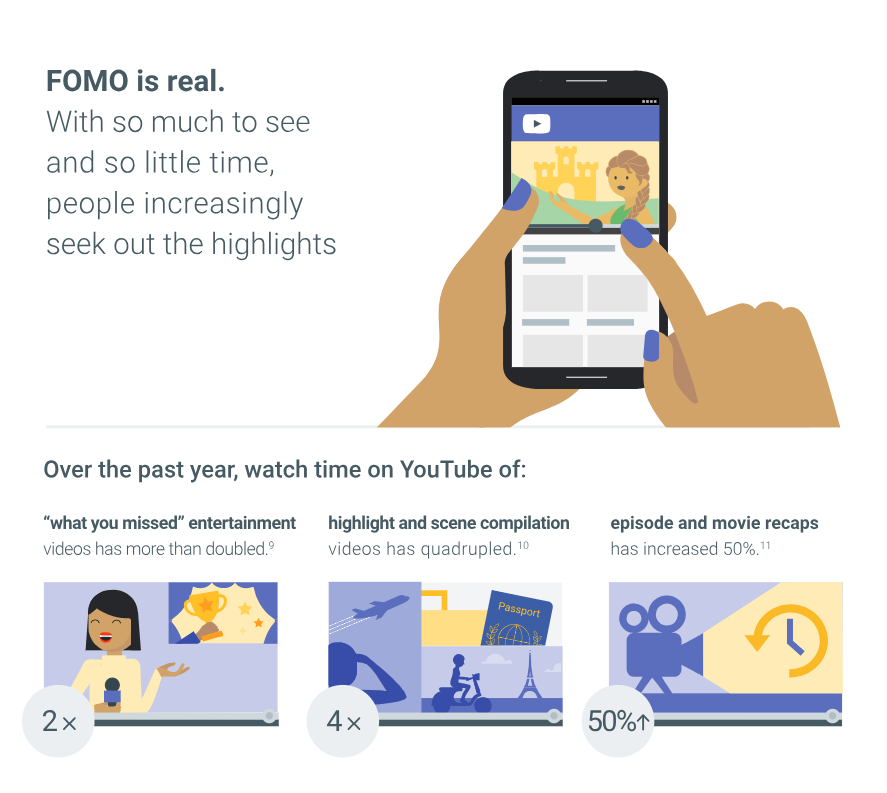
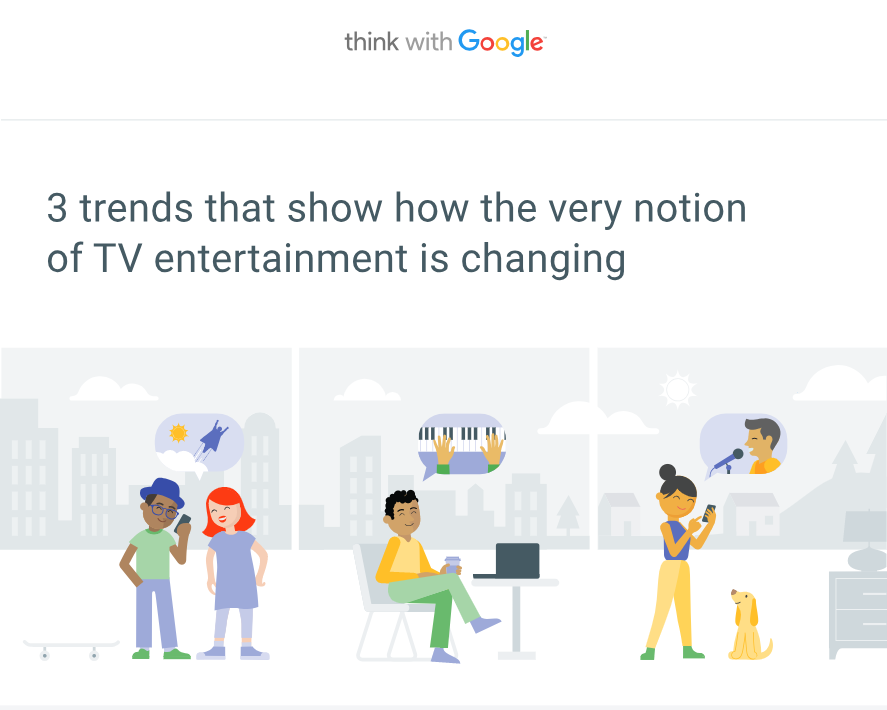
Following is a great infographic from “think with Google” about TV Entertainment, read along as we explain how that has a direct correlation to events. And why maybe it’s time we started thinking about events more like a TV show with a fantastic gigantic cast.


Trend #1


Just as TV content is here to stay so are events and conferences, but now people are attending in their own way whether that is in person or via the live stream. If you aren’t live streaming your events you are missing most of your audience.

Trend #2


Just like how people want to “Game of Thrones”-related videos on YouTube, they also want behind the scenes content from your conference or trade show. It’s time to pull back the curtain and supplement the keynote live stream with “behind the scenes” interviews of the keynote speakers as they come off the stage or in the green room as they are waiting to go on… It’s time to make use your event as an online show that generates the content your audience is hungry for…

Trend #3


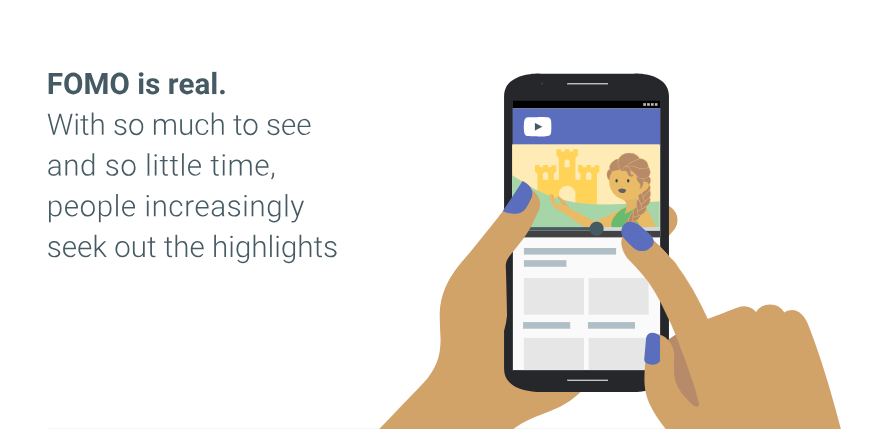
FOMO is real. This is so true. Your audience is dying to attend your event, but life gets in the way for most of your audience and only a small fraction can actually attend your event in person. The Facebook Live stream helps the majority of your audience that can’t attend feel connected in a digital way. At the very least they want to see the highlight video that shows their buddy and their favorite Thought Leader having an engaging conversation in the hallway track. Or their favorite Influencer at the “after party” having a great experience. Or maybe they were present at your event, but like a recent attendee told me, “I don’t attend any of the sessions while I’m at an event, I’m to busy meeting with people. But at home I begin each day by viewing 1-2 of the conference breakout session videos while I’m sipping my coffee.”

If you’d like to learn more about how we can help you extend your event beyond the four walls and into the future, please give us a call at 1-888-695-2396. Or if you’d like to view the complete “think with Google” infographic, click here.


roi-video-1024x479.png

January 10, 2018 Tim Arthur

Every conference organizer and event planner thinks about ROI (return on investment); understandably, they care about turning $1 into $2 (or $20). Fantastic! The good news is 83% of businesses report seeing an ROI with video. Not only that, most marketers agree that video content generates a higher ROI than all other types of content.

With 71% of consumers watching more video online than a year ago, brands can no longer ignore its growing popularity. Thankfully, creating great content has never been easier! Just call the Event Video Experts at e3 Webcasting, we have several levers we can pull to increase attendance, revenue, and the ROI at your event. We love events + video and the convergence of the two. We would be honored to live stream webcast your event, record your speaker sessions, film influencer interviews, capture your community member spotlight videos, and create a highlight reel that showcases your event experience and sponsorship opportunities. We can be reached at 1-888-695-2396 or email us at [email protected]


TXJS_Stream.jpg

June 5, 2013 Isaac Arthur0

Webcasting from Austin, Texas, The e3 Webcasting crew powers up the live stream for TXJS.

As people across the nation tuned into the TXJS Live Stream Webcast to view the conference from the convenience of their office, iPad or smartphone the conference team was getting ready to open the doors. It was a hot Texas day, although still early in the morning, as men and women crowded into the historic Paramount Theatre in Austin. Laptops open, a cup of coffee and a taco in hand, the audience got ready to hear from co-laborers and experts in their particular line of work. What event was this? The Texas JavaScript Conference (TXJS) held on April 15, 2013.

Topics Covered at TXJS

JavaScript (JS) may be beyond the comprehension of most of us not in the programming world, but for those in that field this event proved to be quite an exciting and festive gathering. Speakers from around the United States and the United Kingdom spoke on a variety of subjects, from HTML, CSS, and Node.js to things like web applications, entrepreneurism, content management systems, the legal issues related to open source, and how the British government was able to revamp their “user experience.” Sound like a jam-packed day? That wasn’t even the half of it!


Conference organizer Alex Sexton brought together this diverse group of developers and designers to celebrate, learn, and anticipate the future of their craft. With the TXJS Conf. being only a one-day event, there was a lot to fit into the sessions, and a lot of catching-up and networking to do in between.

Live Video Webcast Expands the TXJS Conference Reach

But, with something as big and widely used as JavaScript, the estimated 325 people in attendance there at the Paramount in Austin were not the only interested parties; nor were they the only die-hard JS fans out there. This year e3 Webcasting was brought in to provide live streaming of all the sessions for TXJS. Once the stream went live and the talks began, 250 + online viewers tuned in to catch the event. These were not merely distant, mildly curious on-lookers who tuned in for five minutes and moving on – this was a steady audience-base that hung with us for the majority of the day. The numbers grew throughout the morning sessions, which began around 9 am, and only started decreasing toward the end of the day (which wrapped up at roughly 6:30 pm). The largest amount of online viewers exceeded 300. This means that nearly double the amount of people who actually came to Austin that day were able to be a part of the conference’s activities.

Frances Berriman | TXJS 2013 from SlexAxton on Vimeo.

Reaching the other 90% of Your Audience via Streaming

Clearly, whether we’re talking about a weeklong mega-event or a single-day, one-track conference, everyone has the ability to maximize the potential of webcasting technology to reach the other 90% of their audience that isn’t physically present. It was a pleasure to be a part of Texas JavaScript Conference and to bring the event to the more-than-300 people who were able to watch the stream that day. This was not only a success for this year’s TXJS, but could also have benefits in the future – anyone avid enough to watch a conference online for a whole day will definitely want to be there in person the following year! Like the final speakers who talked about the future of the industry and the exciting places it might go, we are thrilled to be involved in the business of webcasting, and are looking forward to what comes next.

TXJS 2013 Conference 411

If you’d like to learn more about the TXJS Conference or would like to attend a conference in the future, you can find out more by visiting the conference website or following them on Twitter:
Website: TXJS
Twitter: @TXJS
Conference Videos On Demand: TXJS Vimeo Channel


hobbit.jpg

December 31, 2012 Isaac Arthur0

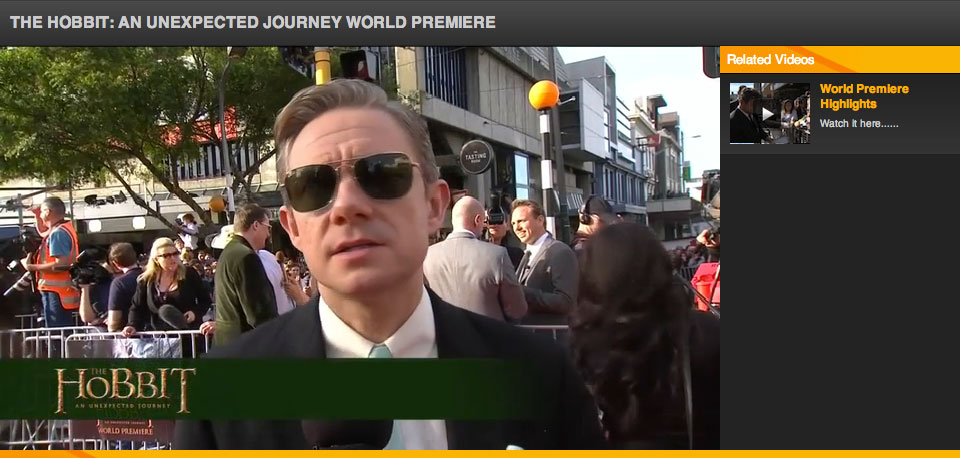
Live stream webcast of the Hobbit Movie World Permiere

Examples of the game-changing nature of webcasting are everywhere you look. From large conferences to political conventions to smaller niche events, live streaming is exploding all over the planet and in many different settings. Now, even major motion picture studios are realizing the value that this powerful resource can bring. This last November, by employing Hollywood event streaming company Now Live, the Warner Bros. and New Line Cinema social media users from around the world were able to virtually travel to New Zealand to participate in one of the most highly anticipated movie events of the year: the world premiere of director Peter Jackson’s newest trek into Middle Earth, the world of author J.R.R. Tolkien’s fantasy literature, The Hobbit: An Unexpected Journey.

I tuned-in to the stream that night, along with thousands of Tolkien and movie enthusiasts: because, being in the business of webcasting, and a fan of the films as well, I had a staked interested. After clicking the link to the stream’s page on Facebook, it was apparent that they had rolled out the red carpet, not only for the film’s cast and crew, physically in attendance in Wellington, but also for the curious and expectant audience across the globe. Those watching the live stream of the pre-show premiere festivities were treated to sweeping shots of the lengthy red carpet, musical performances by Neil Finn and his band (Finn is a New Zealander himself and the music artist behind the “Song of the Lonely Mountain” which is featured in the movie’s credits) and up-close interviews with the actors and filmmakers who created the film. Even if one had the opportunity to be there in person, one probably wouldn’t have had a better experience than sitting at home watching the stream.

Between delighting fans with behind-the-scenes stories and glimpses of their favorite actors, as well as enticing others to find out more about the film, and boosting the hype and excitement about The Hobbit before its theatrical release, the live stream webcast was a huge success. All the music, the celebrity sightings, and the sneak peeks at movie itself (not shown in the live stream, of course) had the effect of generating even more word of mouth and anticipation. Hollywood marketers know how to pack people in and the live-streamed premiere is just one way that technology has given studios a way to reach audiences. The movie has been in theaters since December 14 and has remained in the Top 10 in the box office, currently #1 – ahead of the Django Unchained and Les Misérables – and has grossed $222.7 million. Not to commit the fallacy of assuming that the live stream webcast was the deciding factor here, yet one does have to wonder how live streaming technology could have helped reach greater numbers of filmgoers and propelled the other films to the top slot now occupied by Peter Jackson’s The Hobbit. Speculation aside, it is quite clear that live streaming is quickly becoming an indispensable tool for conferences, events, and the silver screen.


Mobile-Map.jpg

July 10, 2012 Isaac Arthur0

[custom_frame_left]
10 Reasons Why Your Event Webcast Needs a Mobile Friendly Site[/custom_frame_left][clear]

Thank you AD:60. The team at AD:60 recently released an infographic depicting “10 Reasons Why You Need a Mobile Site.” Because this is something of utmost importance to the process of webcasting an event, it would be profitable to reiterate the points made by AD:60. After seeing these reasons you’ll see why a mobile site is an increasingly indispensable aspect of webcasting.

[custom_frame_left]
10 Reasons Why You Need a Mobile Site Infographic[/custom_frame_left]
10 Reasons Why You Need a Mobile Site Infographic by AD:60

Following are some e3 Webcasting observations on the above infographic:

  • 1. 8% of all digital traffic comes from smartphones and tablets.

    8% may not seem that significant, until one puts it into the context of the following reasons.

  • 2. Most mobile phones in America will be smartphones by the end of 2012.

    This point is accompanied by a graph that shows how, in 2010, according to the graphic, Nielsen Mobile Insights 70% of mobile phones were feature phones and only 30% were smartphones, which have steadily climbed over the past two years to where they are nearly 50-50 at this point. Based on that, it is expected that smartphone usage will soon surpass feature phones, which probably will in turn affect the percentage given in Reason 1.

  • 3. More and more users are making purchases on their phones.

    As smartphones multiply, more and more people are using their phones to make purchases. As this graph shows, in 2010 purchases made on phones was only at 23%. By 2012 that number has grown to 35% and it is predicted to be as high as 43% by the year 2015.

  • 4. The proportion of mobile-only users is even higher in developing countries.

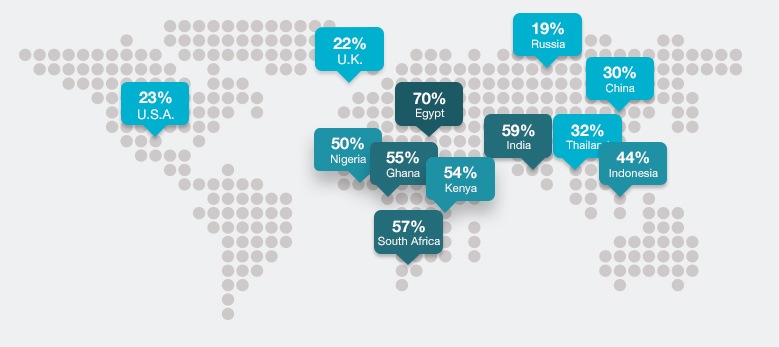
    A map on this graphic depicts the fact that while nations more developed have a relatively low percentage of mobile-only users (23% for the U.S.A., 22% in the U.K. and only 19% in Russia), nations such as Egypt (70%), India (59%), South Africa (57%), Nigeria (50%) and Indonesia (44%) have notably higher numbers. A good mobile site is necessary, but even more so if your market/audience is global. There is no excuse for a worldwide event or corporation to not have a good mobile site.

  • 5. Mobile commerce is growing fast.

    Forrester Research Mobile Commerce Forecast reported that while mobile commerce was only $3 billion in 2010, it has reached $10 billion now, in 2012, and is forecasted to increase to more than ten times where it was in 2010 by 2016, at $31 billion!

  • 6. Smartphone users cover a wide demographic.

    The infographic tells us that smartphones are used by 67% of those between the ages of 18 and 24. Going on, 71% of those 25-34 years, 54% of 35-44 year-olds, 44% between 45 and 54 years, 31% of people 55-84 years and 13% of those 65 years and up use smartphones. This is a large and wide demographic. Of those, 14% of men and 9% of women have made purchases on their phones. You cannot afford to ignore this demographic.

  • 7. Couch commerce is rising.

    59% of customers are using their mobile devices to shop from their homes. Just as online stores became necessary with the coming of the Internet, so too as mobile use picks up it becomes more and more essential to businesses/corporations/events to have mobile friendly sites.

  • 8. Smartphone users have higher than average income.

    The median U.S. household income is roughly $50,000 – while 60% of smartphone users earn more than $100,000. With more than double the average U.S. income, reaching these potential customers with a mobile friendly site becomes an indispensable must.

  • 9. Mobile sites are important for both physical and digital stores.

    This is so, says AD:60, because 46% of customers will use their phone to research products before making an in-store purchase. 41% will research and then buy on a computer, and 37% will make their purchase via phone after researching on a mobile device. This information lets us infer that having a good mobile site is vital for physical stores, even more than for online ones.

  • 10. Your normal site is NOT thumb-friendly.

    With the majority of smartphones being touch-screen, not having a mobile site is very damaging for digital traffic. The regular site is created for a computer screen, thus requiring a lot of thumbing, pinching, zooming – unwanted hassle – for mobile users to navigate a site; this weakens their response to what your site has to offer. Who wants to exert that much energy? Getting a sharp mobile-friendly site will help you to better receive the benefits cited in Reasons 1-9.

  • That wraps-up the “Ten Reasons” on the infographic, and already there are copious reasons to get a mobile-friendly site. I would add just one more reason, in relation to our purposes:

  • 11. Mobile sites are important for webcasting.

    Without a mobile-friendly site your webcasting venture (be it a conference, event, or whatever), will exclude a large percentage of your audience. Viewing a live-streamed video on a mobile device when the site was created for the desktop PC is difficult and frustrating; but with a mobile-friendly site ready for subscribers who are viewing on their smartphones, you provide a much more professional and appealing presentation for the event’s audience. A mobile site, as AD:60 has illustrated so masterfully, is indispensable for websites in general, but with a live streamed event, where you have no idea if your potential audience will be on a computer or a device, than their importance must be stressed even more emphatically.

We’ve now seen the ten (or eleven) reasons why your webcast needs a mobile-friendly site. There is no reason to hesitate in taking advantage of the benefits that they bring. As time goes on, it appears that this will become even more needed. So why not? Mobile users the world over are waiting.


e3 Webcasting
Privacy Overview

This website uses cookies so that we can provide you with the best user experience possible. Cookie information is stored in your browser and performs functions such as recognising you when you return to our website and helping our team to understand which sections of the website you find most interesting and useful.