

Unlocking the
Hidden ROI in Your
Conference Sessions
Conference Opportunities
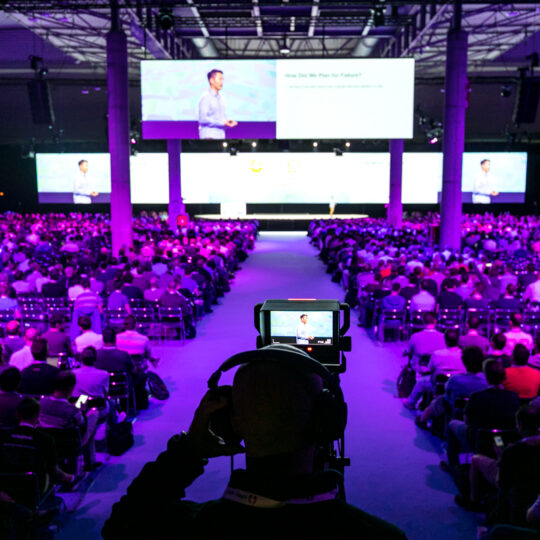
Your conference shouldn’t be limited by the size of the room. With e3 Webcasting LLC, you can connect with remote attendees, extend the life of every presentation, and create valuable content that keeps working long after the event ends.
From keynote presentations and panel discussions to hybrid sessions and on-demand viewing, we provide dependable webcasting solutions tailored to your event. Our experienced team manages the technical details so your speakers can focus on delivering a great program.
Non-Dues Revenue
e3 Webcasting has the ability to transform video from an expense into a profit-center. We reduce the expenses associated with video and multimedia while improving the quality of the offering…
Grow Your Community
At e3 Webcasting we understand that audiences are engaging on digital and mobile more than ever, a trend that shows no signs of slowing down.
Your Event Impact
According to ASAE surveys, 92% of your members express a desire for education, yet less than 15% of them have the opportunity to access your best content by attending your events. Education is the primary reason why your members join…
Market Your Summit
At e3 Webcasting, we help you turn your Market Your Summit content into multiple video assets for different audience segments, helping you extend reach while reducing production costs…
Learning & Accreditation
The e3 Webcasting platform features online badging accreditation or Continuing Education credits. Our Learning Management System (LMS) module simplifies the process of leveraging video to enhance these offerings.
Communication & Advocacy
Video plays a crucial role in every department, and each department must communicate, educate, advocate, or share news and information with members.
Turn Event Live Streams Into Revenue Streams


Let’s work together.
[email protected] or Call Us Toll-Free: 1-888-695-2396
Gallery
Clients



FAQs
- Additional Services
- Video Tech Specs
- Edit Audio Recordings of sessions – Call for pricing
- Code of Conduct Violation Edits – Call for pricing
- Sync Presentation Slides with Video of the Speaker to create a Picture-In-Picture video – Call for pricing
- Closed Captioning – Call for pricing
- Language Translation – Call for pricing
- Create Title Slides (Talk Title, Speaker, Speakers Job Title, Speakers Employer, and any Co-Presenters – provided by client or scraped from online program schedule)
- Title Slides & Thumbnail images based on the clients Presentation PowerPoint Template for the event.
- Download Raw Video Footage from web or Onboard Raw Video Footage from Hard Drives
- Trim Top & Tail (remove any dead air at the beginning and end of the video so that it starts right away and ends right after the presenter says good bye)
- Add Meta Data (Title, Description, Links, Call-to-Action, Thumbnail & Playlist – provided by client or scraped from online program schedule)
- RAW Video Footage needs be Picture-In-Picture or have the presentation slides embedded in the video full frame. If we have to sync the slides to the video, there will be additional charges.
- Transcoded edited/trimmed session videos to H.264 1080p MP4 video file for uploading
- Wherever we upload the videos, we need to be able to do a bulk upload. If we have to upload the videos one at time, there will be additional charges.
- Client to provide Sponsor Logos & Info
- We can work with any video file format, codec or media such as SD cards. Video provided in formats other than; mov, .mp4, .m4v, .avi, or .wmv, will incur additional transcoding fees and deadlines will be extended
- Payment Terms
Payment in full is required before we begin your editing project. One of the ways we keep our prices so low is by not having to chase clients for payment. All payments are non-refundable. Receipt of partial payment indicates your acceptance of these terms. Our goal is to become your video partner; we understand that if you aren’t happy with our service, we won’t earn your repeat business. If you are concerned, talk to us, we may be able to edit one video for free to make sure you are happy before committing to an entire order.