


Most event organizers are leaving significant revenue on the table by treating hybrid access as an afterthought. A virtual ticket is not just a discounted in-person ticket. It is a distinct revenue stream with its own pricing logic.
Hybrid events serve two audiences simultaneously: in-person attendees at a physical location and virtual attendees participating remotely. Organizations that underprice hybrid access focus only on ticket sales and miss the full commercial picture, including sponsorship impressions, on-demand content, accreditation, and audience expansion. This article gives event organizers and event planners a practical framework for pricing hybrid events around lifetime content value, sponsor visibility, and extended audience reach.
At e3 Webcasting, we have spent more than ten years helping conferences, associations, and corporate events use video to generate non-dues revenue and extend event impact beyond the live day.
Key Takeaways
- Hybrid event pricing goes beyond ticket sales to encompass sponsor value, on-demand content, and long-term audience growth.
- Virtual tickets should be priced on the value delivered, not simply discounted from in-person prices.
- On-demand content from hybrid events generates revenue for months after the live event ends.
- Multiple pricing models exist including tiered access, all-access passes, and sponsor-subsidised virtual tickets.
- e3 Webcasting partners with conferences and associations to turn video from an expense into a profit center.
What Are Hybrid Events?
A hybrid event is an event format that combines a live in-person experience at a physical location with a simultaneous virtual component, allowing remote attendees to participate in real time. The virtual component should be a designed experience with interactive sessions, networking opportunities, and content access, not just a camera pointed at a stage.
Hybrid events have become the standard format because they attract a global audience beyond those within travel distance of the venue. For associations, this means members can access critical educational content regardless of geography or budget. The key elements include quality streaming, audience engagement tools, interactive features, on-demand content, and a unified brand experience. e3 Webcasting ensures both in-person and virtual attendees receive a professionally produced experience.
How Do Hybrid Events Work?
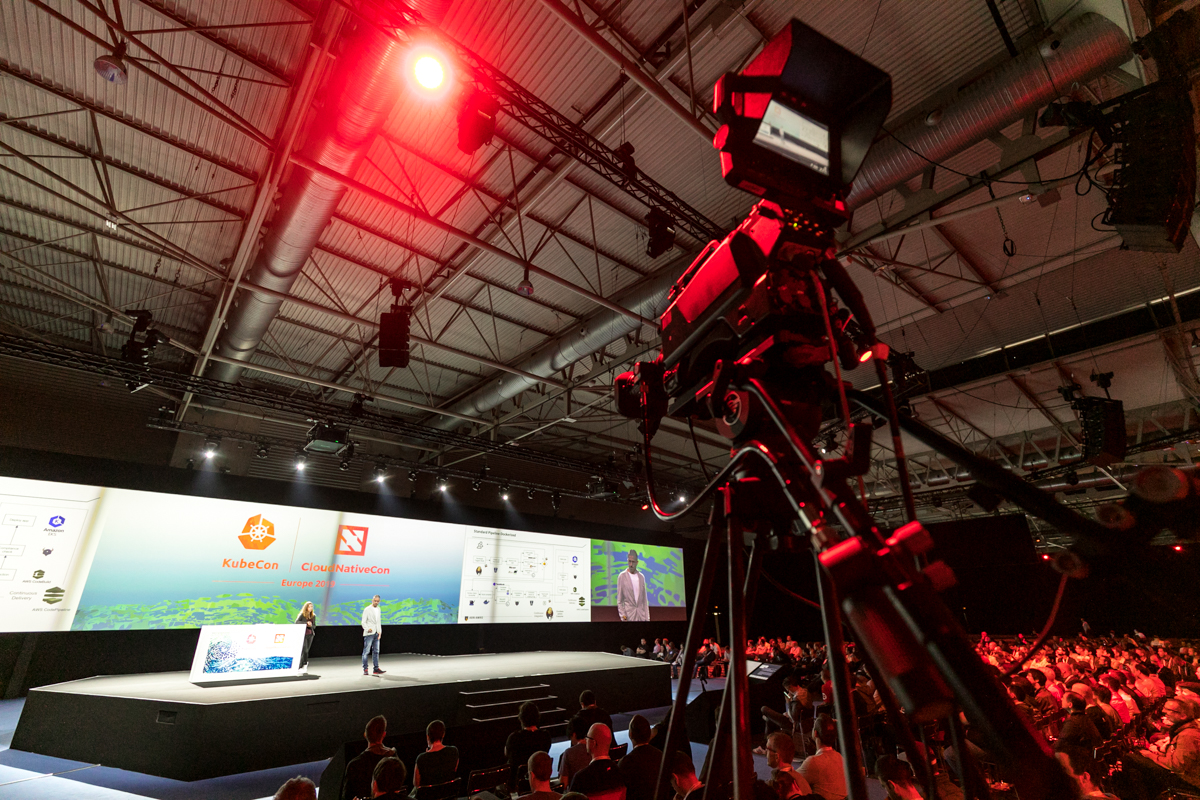
A physical location hosts in-person attendees while a hybrid event platform streams the event to virtual participants. Online attendees can access live sessions, join breakout sessions, and interact with event hosts via chat or networking features. Professional production quality matters: poor audio and video erode perceived value and reduce willingness to pay.
The hybrid event platform connects physical and digital environments, managing registration, live streaming, on-demand content, social media integration, and analytics. Content is often made available on demand after the event, extending the commercial life of every session. e3 Webcasting handles the production, streaming, and content capture that makes the virtual component work, from conference recording to post-event on-demand publishing.
What Is Hybrid Event Pricing?
Hybrid event pricing is the strategy of setting ticket prices, access tiers, and revenue structures for an event serving both in-person and virtual audiences, accounting for the different costs, value propositions, and revenue opportunities associated with each.
Virtual tickets should not be set at a steep discount from in-person tickets. Doing so undervalues the virtual experience and misses revenue. A hybrid event creates content assets, including recorded sessions and on-demand libraries, that generate revenue long after the live event ends. Pricing strategy should reflect this lifetime content value rather than treating the event as a single-day transaction. Many organizers price virtual access based on streaming costs rather than the value it delivers to attendees and sponsors, leaving non-dues revenue on the table. e3 Webcasting helps organizations build pricing and content strategies that maximize long-term ROI.
Common Hybrid Event Pricing Models
Event professionals can combine multiple models based on their event format and goals:
- Tiered Ticket Pricing. Separate access levels for in-person, virtual live, and on-demand. Each tier reflects a different level of engagement and virtual participation.
- All-Access Passes. A single premium option covering full in-person and virtual content including on-demand access, appealing to attendees who want flexibility.
- Session-Based or A La Carte Access. Attendees pay per session or per track, well suited to large multi-track conferences with diverse breakout sessions and interactive workshops.
- Subscription or Membership Access. Annual membership includes live hybrid events and an on-demand content library, creating predictable non-dues revenue for associations.
- Freemium with Paid Upgrades. Basic virtual access drives reach and lead generation while premium features like accreditation and networking are tiered separately.
- Sponsor-Subsidised Access. Sponsor revenue offsets virtual costs, allowing lower pricing while expanding audience reach for sponsors across person and virtual attendees.
e3 Webcasting advises clients on which model aligns with their content strategy and revenue goals.
How to Price a Hybrid Event: A Step-by-Step Process

- Calculate your cost base. Separate in-person costs from virtual-specific costs including streaming infrastructure, platform fees, and post-production.
- Define your audience segments. In-person attendees, live virtual attendees, and on-demand viewers each have different value perceptions. Price based on value delivered.
- Assess content value beyond the live event. Identify which sessions become on-demand assets and how long they will generate revenue.
- Build sponsor value into pricing. A larger combined audience justifies stronger sponsorship packages and creates pricing flexibility.
- Research comparable event positioning. Review how similar events structure access tiers, focusing on value alignment.
- Set pricing for each tier. Consider early-bird access, group options, and member versus non-member differentials.
- Model the full revenue picture. Include ticket revenue, sponsorship, on-demand access, accreditation, and lead generation value.
Revisit pricing after each event using engagement data and feedback. e3 Webcasting works with event teams to model full revenue potential, ensuring pricing reflects the true value of the content being delivered.
Factors That Affect Hybrid Event Pricing
- Audience size and reach: Larger virtual audiences increase sponsor value and pricing power.
- Content quality and production value: Professionally produced sessions support higher perceived value.
- On-demand access window: Longer access periods increase perceived value for virtual attendees.
- Accreditation and CEU value: Continuing education credits support stronger virtual pricing.
- Networking and interactivity: Interactive features, breakout rooms, and virtual networking deliver greater value.
- Sponsor investment: Greater sponsor contribution creates pricing flexibility.
- Brand reputation: Established conferences command greater perceived value.
- Global audience potential: International virtual participation positions virtual access as premium.
- Competitive landscape: Understanding comparable events prevents undervaluing the virtual experience.
These factors reinforce each other. e3 Webcasting helps clients strengthen production quality, on-demand content value, and sponsor appeal.
How to Monetize Virtual Attendees in Hybrid Events
Virtual attendees represent a significantly undermonetized audience for most event organizers. Revenue channels include virtual ticket sales, on-demand content access, accreditation fees, sponsored digital environments, and upsells to premium tiers. For more revenue ideas, see our guide on <a href=”https://e3webcasting.com/monetizing-event-live-streaming/”>how to monetize live streaming events</a> through member access, sponsorships, and on-demand content.
Sessions recorded during a hybrid event can be packaged as a post-event library for members who did not attend live. For associations, on-demand video libraries are a proven income stream that compounds over time. Sponsor branding in streaming interfaces, pre-roll video, and sponsored sessions create additional monetizable inventory alongside rich attendee engagement data valuable for lead generation.
Offering on-demand content keeps the commercial window open for months. Attendees who engage with past content are more likely to register for future events. e3 Webcasting helps build on-demand content strategies that turn every recorded session into a revenue-generating asset.
How to Increase ROI from Hybrid Events
Measuring hybrid event ROI means looking beyond ticket sales to post-event revenue, sponsor retention, and long-term member value.
Events with high attendee engagement across both audiences perform better with sponsors, generate stronger lead data, and drive higher future event registration. Sessions can be repurposed as learning content, member resources, and marketing materials. e3 Webcasting helps clients measure and grow event ROI through conference recording, webcasting, and content strategy.
Benefits of Hybrid Events for Event Organizers and Attendees
Hybrid events help organizers reach more attendees and create additional revenue opportunities while giving remote participants flexible access to sessions and on-demand content.
Virtual attendees provide registration and engagement data that in-person-only events cannot capture, creating substantial lead generation value. e3 Webcasting’s core mission is to help organizations use video to grow community engagement, increase event impact, and generate non-dues revenue.
Why Choose e3 Webcasting for Your Hybrid Event Strategy
We are a strategic partner that helps conferences, associations, and corporate events maximize revenue, reach, and post-event value through professional webcasting and event video production. With more than ten years of experience, we understand non-dues revenue, member engagement, accreditation, and the long-term value of a conference content library.
Our services span event video production, conference recording, corporate webcasting, event streaming, and content strategy. We partner with organizations for the entire content lifecycle, from live production through on-demand distribution and future event planning.
Turn Your Next Hybrid Event Into a Revenue-Generating Content Asset
A successful hybrid event pricing strategy considers more than ticket sales. By combining virtual access, sponsorship opportunities, and on-demand content, organizers can create lasting value and additional revenue.
Hybrid events represent a permanent shift in how events operate. Organizations investing now in a coherent pricing and content strategy will outperform those still treating virtual access as an add-on. Contact e3 Webcasting at [email protected] or call 1-888-695-2396.